Data Lake vs Data Warehouse: Choosing the Best Data Storage Solution
In the digital world of 2026, data plays an important role as a fuel for AI engines and business strategies. This is where the data lake and data warehouse come into the picture.
A data lake is a system where a pool of raw data is stored without classifying it into a structured format. Whereas a data warehouse is a system that stores refined and structured data that can be used as it is by businesses.
Through this blog, we will get a vivid explanation of data lake vs data warehouse.
Key Takeaways:
- Data Lake: A data lake is a system that stores large volumes of raw data in their original format. It can store any type of data, be it structured, semi-structured, or unstructured, from multiple sources. This acts as a temporary data storage. Data Lake includes CSV, logs, XML, JSON, emails, and much more.
- Data Warehouse: A system used for reporting and data analysis. It mainly focuses on business intelligence and is used by analysts and managers to make important organizational decisions. Apart from the above-mentioned, it may also require thorough data cleansing.
Data Lake vs Data Warehouse: Understanding the Concept
Before diving into the crux of data warehouse vs data lake, it is important to get an overview of both. These two are considered the most important aspects of data storage and utilization. Here’s a stretched explanation of it.
What is Data Lake?
Coined by the chief technology officer at Pentaho, James Dixon, data lake refers to a system of data stored in its natural and raw format. It is a giant pool where you dump all kinds of information from various sources. A data lake may include structured data (with rows and columns), semi-structured data (CSV, XML, JSON, and logs), unstructured data (emails, PDFs, and much more), and binary data (images, audio, and videos).
What is a Data Warehouse?
A data warehouse, also known as an enterprise data warehouse, is a system used for ‘reporting’ and ‘data analysis’ of business intelligence. It stores data collected from multiple sources. This may be used in scattered fields such as ‘Business Intelligence’, ‘Data Analysis’, and ‘AI & Machine Learning ’ for making informed decisions and improving the organisation’s performance.
6 Key Differences Between a Data Lake and a Data Warehouse
Both a data lake and a data warehouse are highly efficient in their respective spheres. However, there are certain differences between data warehouse and data lake.
Here’s a tabular differentiation, for your convenience:
| Basis | Data Lake | Data Warehouse |
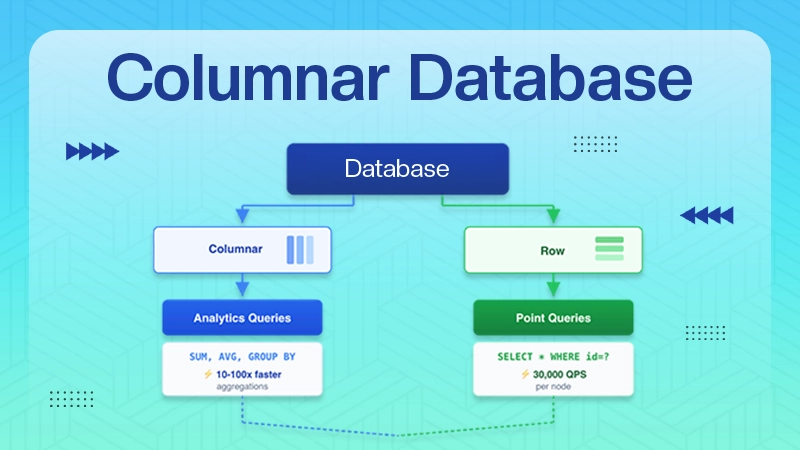
| Storage | This generally stores every kind of data, be it structured or unstructured, in its raw form. | This, however, stores only structured form of data. |
| User | Used generally by data scientists and engineers in its raw form to gain new, unique business insight. | The main users here are managers and business users to gain insights to expand businesses. |
| Used In |
|
|
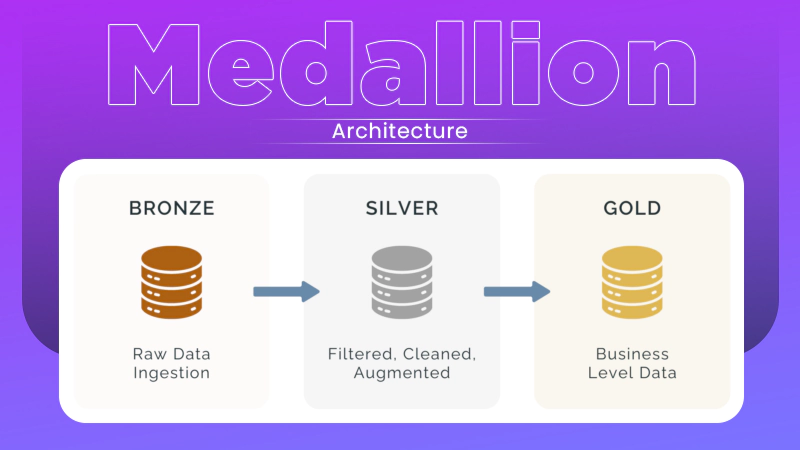
| Processing | ELT (Extract, Load, Transform) Here, data is extracted from its source and structured only when needed. | ETL (Extract, Transform, Load)This ensures data is extracted, polished, and structured to make it ready-to-use for business analysis. |
| Cost & Time |
|
|
| Schema | It follows a strict ‘schema-on-read’ procedure. This allows more flexibility and agility in data processing. | This follows a strict ‘schema-on-write’ procedure. It optimizes performance and ensures data consistency. |
All About Data Lake: Explanation, Uses & Benefits
A data lake is a temporary data storage that can store any type of data (structured, semi-structured, and unstructured). This makes it flexible, as it stores everything from raw, unedited files to images, videos, and logs. The data here is used by data scientists and engineers in its usual form.
Uses of Data Lake
A data lake has many uses across multiple sectors. Here’s a list of uses of a data lake:
- Entertainment: OTT platforms like Netflix use a data lake to manage huge volumes of audio, video, and data. Netflix processes more than 500 billion events daily, with the help of a data lake.
- Healthcare: To gain insight into a patient’s medical data, images of MRI (or similar), and genomic history, a data lake is much needed.
- Finance: A data lake is used in detecting any fraudulent transactions, analyzing the stock market, and managing any upcoming financial risk.
- Retail: Retailers generally use this to predict upcoming trends, personalize shopping experiences, and optimize inventory.
Benefits of Data Lake
- Data lakes use low-cost storage. They are much cheaper than traditional data warehouses.
- It accepts all types of data, including structured, semi-structured, and unstructured, making data lakes flexible.
- Data lakes are generally designed with advanced analytics and machine learning tech. This makes sure complex analysis is performed easily.
- Since a data lake uses real-time analytics, it is easy for companies to track performance and make quicker decisions.
Data Warehouse: Explanation, Uses & Benefits
A data warehouse stores a large amount of structured data that is organized for some specific business-oriented purpose. When talking about data warehouse vs lake, the data warehouse is collected from various sources and needs data in a processed form. The data consists of product, customer, or employee information.
Uses of Data Warehouse
- Teams use warehouses to power dashboards. These show daily, weekly, or monthly business health.
- Warehouses store years of past information. You can compare sales from this year to last year to plan for the future.
- By connecting sales, website clicks, and support tickets, companies see exactly what buyers want.
- Companies look at past spending to make better budgets for upcoming months.
Benefits of Data Warehouse
- A data warehouse brings messy data from different tools into one standard format.
- It combines data from marketing, finance, and sales into one platform.
- Optimized for reporting and analysis, allowing users to retrieve information quickly.
- Stores historical data, making it easy to analyze trends and compare performance over time.
- Serves as the foundation for business intelligence (BI), dashboards, data mining, and analytics.
- Centralized storage allows better control over data access, backup, and security.
Conclusion
Choosing between a data lake vs data warehouse depends on your business goals and data requirements. Data lakes offer flexibility for storing diverse data and advanced analytics, while data warehouses provide structured, high-performance reporting and business insights. Many organizations benefit from using both, creating a scalable and efficient data strategy that supports current and future needs equally.
FAQs
Is Amazon S3 a data lake?
Yes. Amazon S3 is the most popular cloud storage platform used to build data lakes. It is essentially a digital storage room.
What is ETL in a data lake?
ETL stands for Extract, Transform, and Load. It is a process that pulls raw data from various sources, cleans and shapes it, and loads it into a central repository.
What is a data lake example?
Some examples of data lake are: Healthcare Patient Records, E-commerce Recommendations, and Smart Home Sensors.
What is data warehouse vs data lake vs lakehouse?
- A data warehouse processes and cleans data before storing it, making it perfect for fast business reports.
- A data lake holds onto data cheaply and applies structure after it is loaded, making it ideal for deep research and AI.
- A data lakehouse is a newer combination of both. It provides the cheap, flexible storage of a data lake but adds the management and fast analytics of a data warehouse.